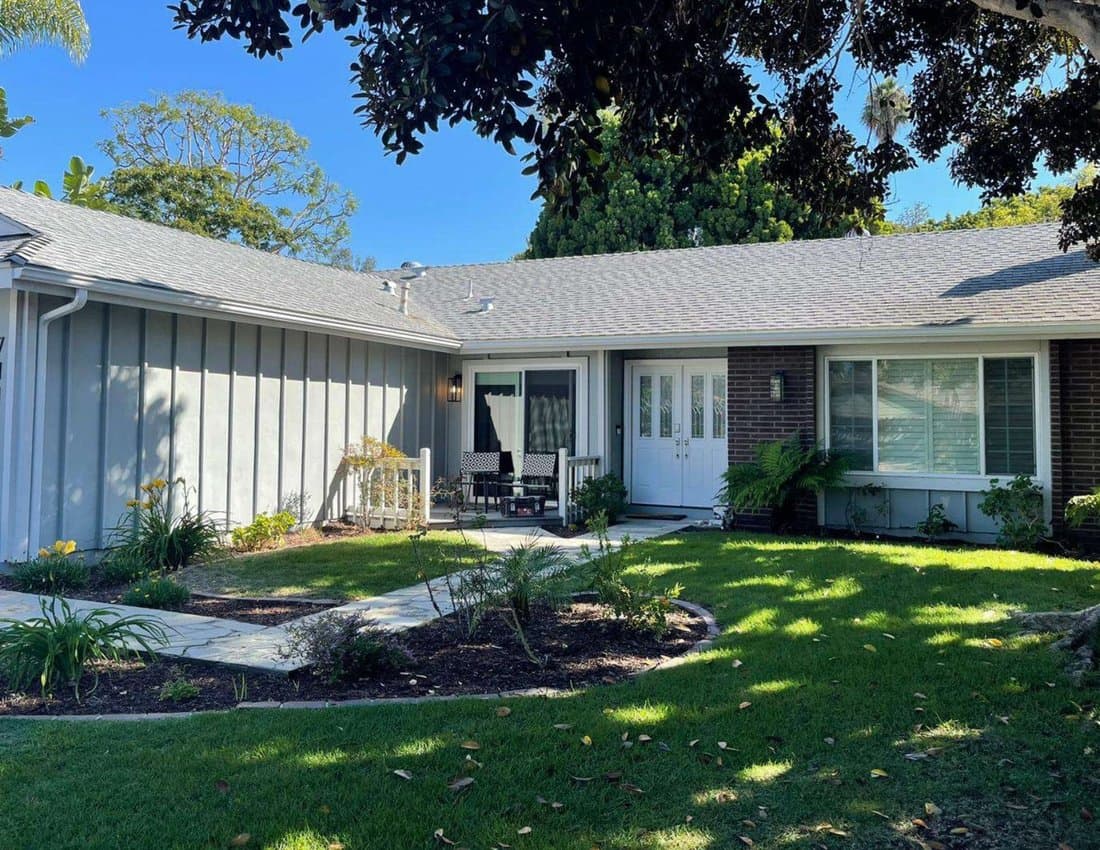
What Is Color Drenching? A Plain-English Guide
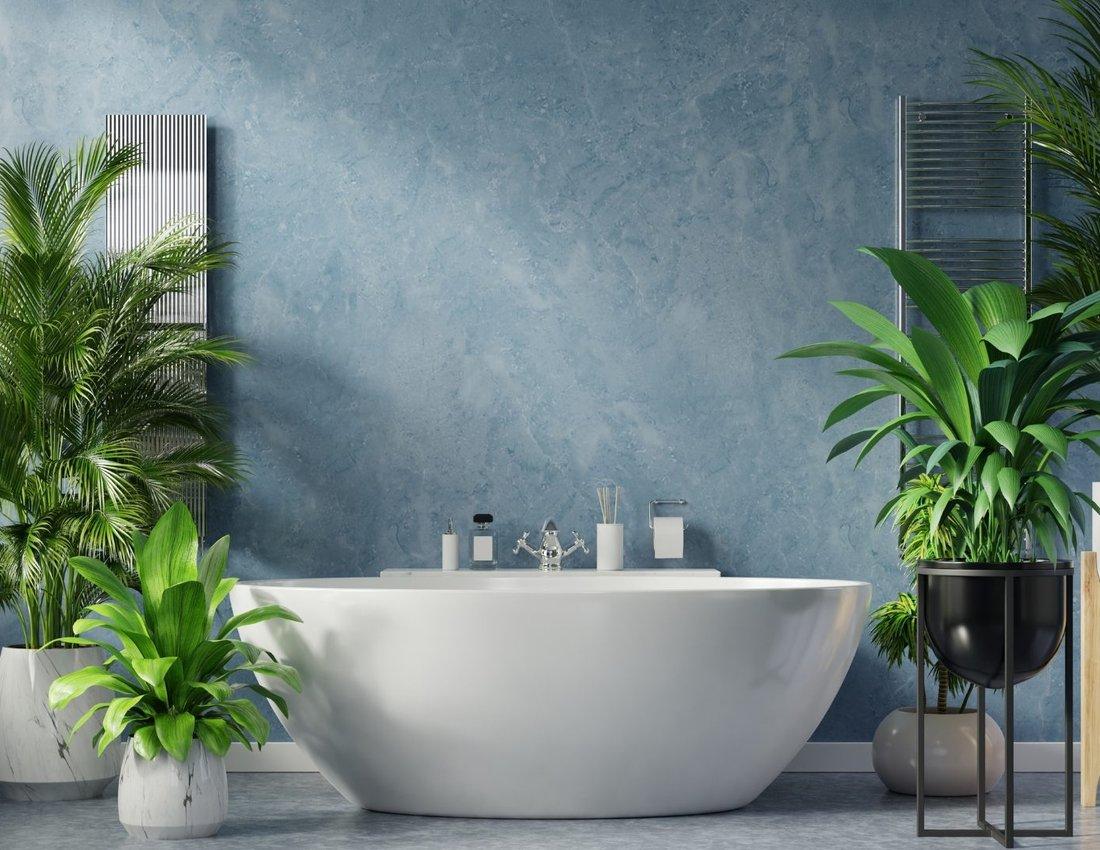
Color drenching means painting a whole room in one color: walls, ceiling, trim, doors, sometimes even the radiator or built-ins. Instead of a white box with colored walls, you get a room that feels wrapped in a single shade. It looks bold in photos, but it's a surprisingly practical idea, and it lives or dies on a few decisions most guides skip: which rooms suit it, what sheen to use where, and what to do about the ceiling. Here's what color drenching a room actually involves, the ideas that work, and how to do it so it looks intentional. We'll also share how Lifetime Custom Painting approaches it in San Diego homes, where the light changes everything.
Quick answer: Color drenching is an interior design technique where you paint every surface in a room, including walls, ceiling, trim and doors, in the same color or very close shades of it. It makes a room feel cohesive and cocooning, hides awkward architecture, and works best in defined rooms like bedrooms, powder rooms, offices and dining rooms. Most people vary the sheen by surface (matte walls, flat ceiling, satin or semi-gloss trim) so the room has depth and the trim stays washable.
Key Takeaways
- Color drenching covers walls, ceiling, trim and doors in one color or a tight family of shades.
- It works best in enclosed rooms; open-plan spaces are harder because there's no clear place to stop.
- Using different sheens of the same color adds depth and keeps high-touch trim easy to clean.
- Paint the ceiling too; a white ceiling breaks the effect.
- Test large samples in your own light, because one color covering every surface amplifies undertones.
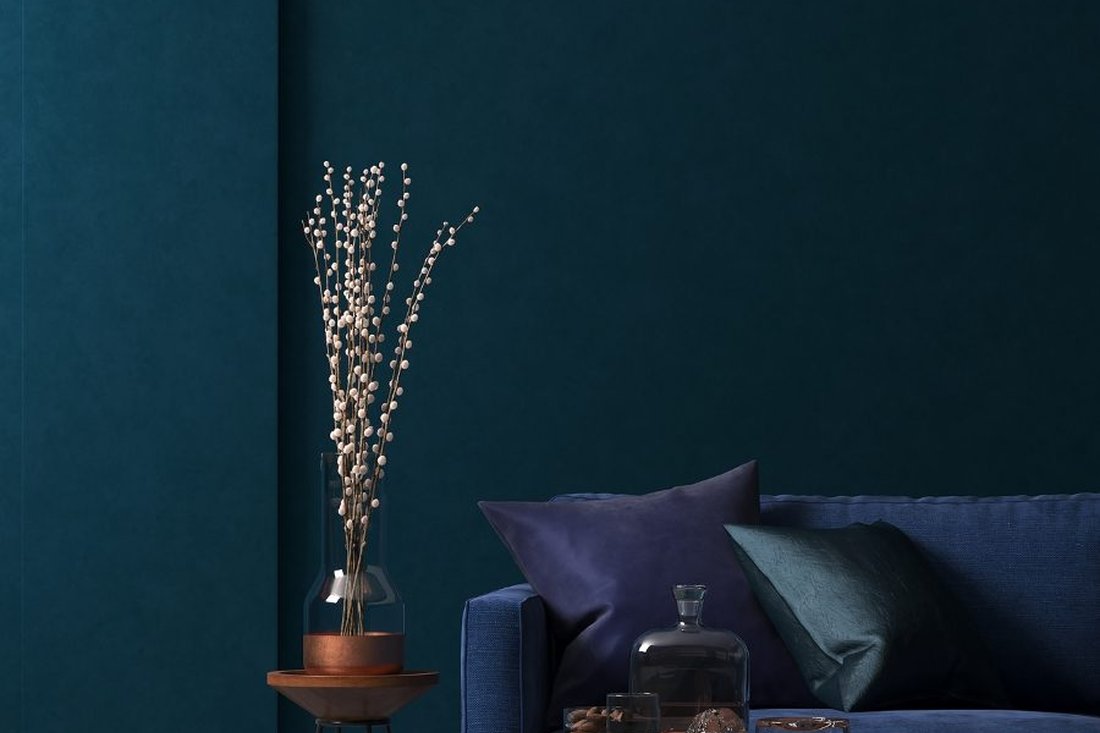
What Does Color Drenching Mean?
Color drenching means choosing one color and taking it across every painted surface in a room, instead of stopping at the walls. The point is to remove the contrast lines (white trim, white ceiling, contrasting doors) that normally frame a room, so your eye moves across the space without interruption.
In interior design terms, it sits between two familiar ideas:
| Approach | What gets the color | The effect |
|---|---|---|
| Accent wall | One wall | A focal point; rest of room stays neutral |
| Monochromatic room | Walls plus furnishings in one color family, often with white trim and ceiling | Calm, layered, softer |
| Color drenching | Walls, ceiling, trim, doors and often built-ins, in one color | Immersive, cocooning, architectural |
Some designers drench in one exact color; others use two or three close shades, slightly lighter on the ceiling or slightly deeper on the trim. Both count. What doesn't count is a colored room with bright white trim, which is just a painted room.
Is Color Drenching a Trend, or Here to Stay?
Color drenching is a trend in name, but the technique isn't new. Painting a room's walls and woodwork in one color is a long tradition in historic interiors, and the current wave started with all-white rooms before moving into greens, blues, terracottas and deep reds.
Whether it dates depends on the color, not the technique. A room drenched in a soft white, warm greige or muted sage will look current for years because it reads as calm and architectural. A room drenched in this season's most fashionable shade will feel of its moment, which is fine if you enjoy repainting. For a wider look at what's in favor this year, see our sibling guide to interior paint color trends for 2026.
Which Rooms Work Best for Color Drenching?
Color drenching works best in rooms with clear edges: four walls, a door and a defined purpose. It's hardest in open-plan spaces, where the color has no natural place to stop.
| Room | Works well? | Why |
|---|---|---|
| Powder room or half bath | Excellent | Small, enclosed, used briefly; great for a bold color |
| Home office or study | Excellent | Cocooning, focused; hides shelving and cords |
| Bedroom | Very good | Calming, especially in mid-to-deep tones |
| Dining room | Very good | Defined room, mostly used in the evening |
| Kids' room or playroom | Good | Fun in a cheerful color; use durable sheens |
| Hallway or entry | Good | Makes a corridor feel deliberate rather than leftover |
| Open-plan kitchen and living | Tricky | No clear stopping point; consider drenching one zone instead |
Drenching is also a clever fix for awkward architecture. Sloped ceilings, odd soffits, too many doors or chunky trim all disappear when they're the same color as the walls. In many San Diego homes, the arches, niches and curved openings of Spanish and Mission Revival styles look especially good drenched, because the shapes come through instead of the trim lines.
It's worth skipping in two cases: a very sunny room in a deep color, which can start to feel hot and heavy, and a room with detailed moldings or a feature you want to show off, which can disappear once everything is one shade.
How Do You Choose a Color for Color Drenching?
Choose the color for the light the room actually gets, because covering every surface in it multiplies whatever the color does. A slight green undertone on one wall becomes a green room when it's on all six surfaces.
Sherwin-Williams explains this with light reflectance value (LRV), a 0 to 100 scale where 0 reflects no light and 100 reflects all of it. Its guide to choosing colors by room orientation recommends higher-LRV colors with warm undertones for north-facing rooms, notes that south-facing rooms get steady warm light that suits most colors, and suggests choosing for east- and west-facing rooms based on when you use them most.
A few practical rules:
- Small dark room? Don't fight it. A deep color often looks richer and more deliberate than a pale one that turns grey in low light.
- Bright room? Mid-tones and deep colors hold up; very pale colors can wash out.
- San Diego coastal homes: soft, grey morning light from the marine layer can make cool colors look flat, so warmer greens, clay tones and warm whites often drench better near the coast. Inland, strong afternoon sun can take more saturated color.
- Test big. Paint samples at least the size of a poster board, put one on the ceiling side of a wall corner, and look at them morning and evening for a few days.
If you'd rather not make this call alone, it's exactly what a color consultant does, and a painter's free color consultation can cover it too.
What Sheen Should You Use When Color Drenching?
You have two good options: shift the sheen by surface, or use one ultra-matte finish everywhere. Shifting sheens is the more practical choice for most homes.
| Surface | Shifting-sheen approach | Single-sheen approach |
|---|---|---|
| Walls | Matte or eggshell | Ultra-matte |
| Ceiling | Flat | Ultra-matte |
| Trim, baseboards, doors | Satin or semi-gloss | Ultra-matte multi-surface paint |
| Look | Subtle depth; trim catches the light | Soft, chalky, seamless |
| Durability | Trim stays tough and wipeable | Depends on the product |
Shifting sheens make the same color look slightly different on each surface, which adds depth and keeps baseboards and doors durable. Our guide to the best sheen for trim and baseboards covers that choice in detail.
The single-sheen look needs a paint designed for it. Farrow & Ball, for example, markets its Dead Flat finish at a 2% sheen level for walls, woodwork and metal, describing it as scuff-resistant and scrubbable and suited to full-room color drenching. Ordinary flat wall paint on trim and doors will scuff and mark quickly.
One caution on dark colors: the higher the sheen, the more a deep color shows roller marks, touch-ups and wall imperfections. Keep walls matte or eggshell when you go dark.
Should You Paint the Ceiling When Color Drenching?
Yes, paint the ceiling if you want the true drenched effect. A white ceiling over a deep-colored room creates exactly the hard line color drenching is trying to remove, and it can make the ceiling look grey or dingy by comparison.
If a full-strength ceiling feels like too much, ask for the ceiling in the same color mixed at a lighter strength. It reads as part of the room without pressing down on it.
Check the ceiling texture first. Dark color makes heavy texture, especially popcorn ceilings, much more noticeable. If you'd rather have a smooth ceiling, plan that as a separate job before the drench; the EPA notes that textured paint on ceilings in older homes may contain asbestos, so have it tested before anyone scrapes it.
Color Drenching Ideas That Work
These color drenching ideas are practical starting points rather than a mood board:
- The jewel-box powder room. Deep green, navy or oxblood on everything, with brass or black fixtures.
- The calm bedroom. A muted sage, dusty blue or warm clay, with the ceiling one shade lighter.
- The focused office. A deep blue or forest green that makes shelving and screens recede.
- The warm white drench. One soft white on walls, trim and ceiling, with shifting sheens; quietly elegant and very hard to date.
- The drenched zone. In an open-plan home, drench a reading nook, bar area or alcove and leave the rest neutral.
- Built-ins included. Bookcases, window seats and doors in the room color turn clutter into architecture.
Whichever you choose, add contrast through texture rather than color: wood, linen, rattan, brass and plants keep a drenched room from feeling flat. A sofa or bedspread in the exact wall color tends to disappear.
How to Color Drench a Room (and What It Costs)
Color drenching is more work than painting walls, because every surface is painted and, with shifting sheens, each sheen is cut in separately. The steps:
- Pick the color and test it on several walls and near the ceiling.
- Decide your sheens for walls, ceiling and trim.
- Prep everything: fill and sand walls, caulk trim, clean and scuff-sand glossy woodwork.
- Prime where needed, especially stained ceilings, bare wood or big color changes; a tinted primer reduces coats.
- Paint top to bottom: ceiling, walls, then trim and doors, allowing proper dry time between coats.
On cost, think of a drenched room as a standard room repaint plus the ceiling and full trim and doors in color. Typical San Diego County interior painting runs $3 to $7 per square foot, with a single room usually $400 to $1,200 and ceilings $1 to $2.50 per square foot. Deep colors can need an extra coat. Lifetime Custom Painting, a licensed San Diego painting contractor (CSLB #1002304), quotes each room in writing so you see exactly what the drench adds.
Frequently Asked Questions
What does color drenching mean?
It means painting every surface in a room, including walls, ceiling, trim and doors, in one color or very close shades of it. The goal is an immersive, cohesive room without contrasting white trim or ceilings.
Is color drenching a trend?
The name is recent, but painting walls and woodwork in one color is a long-standing design approach. Drenching in soft neutrals and muted tones tends to age well, while very fashionable shades date faster.
Does color drenching make a room look smaller?
Usually not. Removing contrast lines can make a room's edges harder to read, which often makes small rooms feel larger and cozier at the same time.
Do you have to paint the trim the same color?
For true color drenching, yes, though you can use a different sheen on the trim. Painting the walls and ceiling but leaving white trim gives you a monochrome room rather than a drenched one.
Can you color drench with a light color?
Yes. An all-white or soft neutral drench, with flat ceilings, matte walls and satin or semi-gloss trim, is one of the most timeless versions of the look.
Try It in One Room First
The easiest way to find out if you love color drenching is to try it in a powder room, office or bedroom. Book a free estimate and use the free color consultation that comes with our interior painting projects to test colors and settle sheens before anything is painted; you'll get a fixed written quote for the whole drench. Prefer to talk first? Call Lifetime Custom Painting at (619) 591-9936.
Thinking about a project in San Diego?
Luis Rodriguez and the team give free, fixed written estimates — no pressure, no obligation.
- Licensed & insured
- 4.9★ · 291+ reviews
- 10% military discount