Best Paint for Stucco Exteriors in San Diego
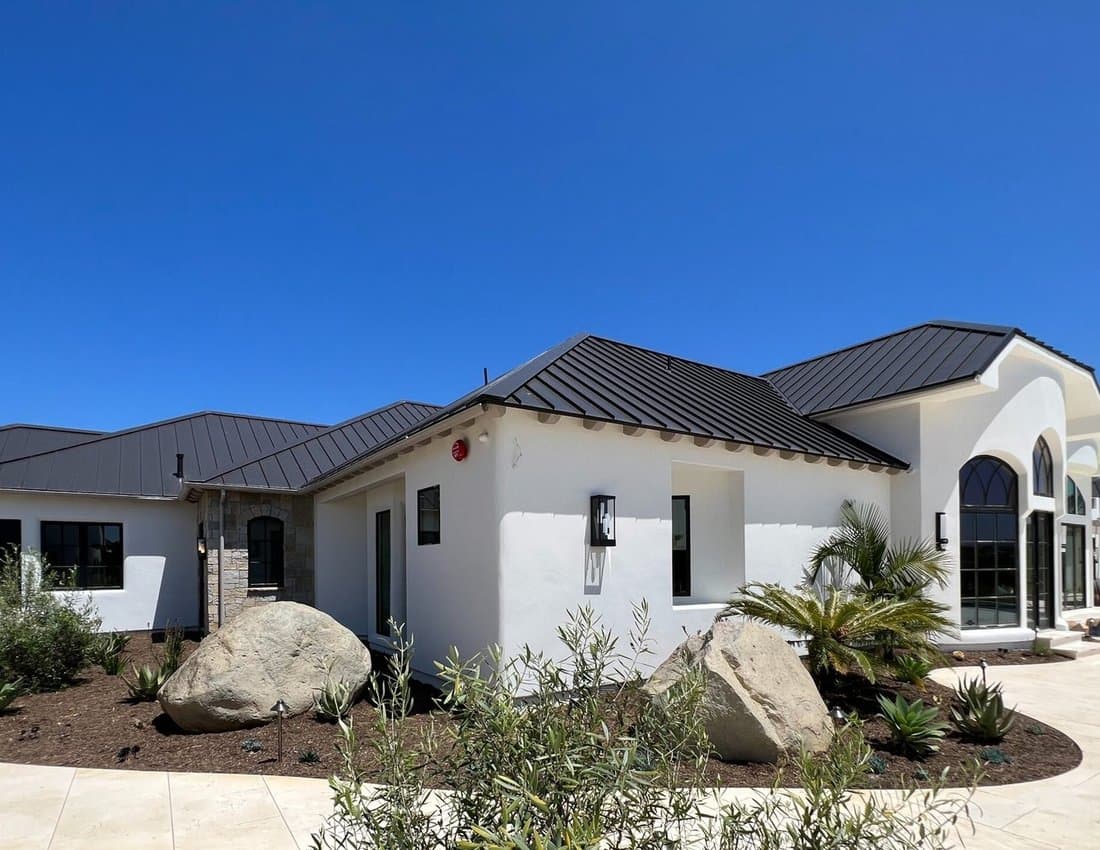
The best stucco paint for most San Diego homes is a premium 100% acrylic exterior paint, not the thickest coating on the shelf. Stucco is porous cement plaster, so it needs a finish that sheds rain but still lets the wall breathe. That one requirement rules out a lot of what gets sold as "heavy-duty." Below we compare the four realistic options (acrylic, elastomeric, masonry and mineral paint), name the specific Sherwin-Williams and Benjamin Moore products painters actually use on stucco, and explain how coastal salt air versus inland sun changes the choice. The crew at Lifetime Custom Painting repaints stucco across San Diego County, and this is the same reasoning we walk homeowners through on an estimate.
Quick answer: For most stucco homes, a premium 100% acrylic exterior paint in a flat or low-sheen finish is the best stucco paint because it bonds well, resists UV fading and stays vapor-permeable, so moisture can escape instead of blistering the film. Elastomeric coatings make sense only on stucco with hairline cracking and sound flashing, and mineral (silicate) paint is a niche choice that needs a special primer over previously painted walls.
Key Takeaways
- 100% acrylic exterior paint is the default for painted stucco: breathable, colorfast and easy to recoat.
- Breathability matters. A wall-industry guideline recommends coatings with a vapor perm rating of 7 or higher on stucco.
- Elastomeric is a problem-solver for hairline cracks, not an upgrade for every house.
- On the coast, prioritize mildew resistance and a tight film; inland, prioritize UV and fade resistance.
- Prep and primer decide lifespan as much as the can does: clean, patched, and the right sealer on new or chalky stucco.
What Makes the Best Stucco Paint Different From Regular Exterior Paint?
The best stucco paint has to handle three things siding paint doesn't: an alkaline cement surface, a rough texture that eats material, and constant moisture moving through the wall. Get any of those wrong and the finish chalks, blisters or peels long before it should.
Traditional stucco is Portland cement plaster. Fresh, it is strongly alkaline. The Northwest Wall and Ceiling Bureau's stucco painting guideline puts new stucco at a pH of about 12.4 and advises waiting until it drops to 8 or lower, typically 7 to 10 days, and using an alkali-resistant paint. Older stucco has the opposite problem: decades of sun leave a powdery, chalky surface that new paint can't grip until it's washed and sealed.
Texture is the other cost driver. A sand or lace finish has far more surface area than flat siding, so the same wall needs more paint and more labor to fill every pore. That's why spray-and-back-roll is the standard method on textured stucco.
Acrylic vs. Elastomeric vs. Masonry vs. Mineral: Which Is Best for Stucco?
For most painted stucco, acrylic wins; the other three each solve a specific problem. Here is how the stucco options compare in practice.
| Paint type | What it is | Best for | Watch out for |
|---|---|---|---|
| 100% acrylic exterior | Standard premium exterior latex with an all-acrylic binder | Most previously painted stucco, any climate | Won't bridge cracks; cracks must be patched first |
| Elastomeric | Very thick, rubbery acrylic film applied at several times normal thickness | Stucco with active hairline cracking and good flashing | Lower breathability on many products, harder to recoat or change later |
| Masonry coating | High-build acrylic made for alkaline cement and block | New or bare stucco, high-pH walls, efflorescence | Fewer sheens; more paint per square foot |
| Mineral (silicate) | Potassium-silicate paint that bonds chemically into masonry | Bare, unpainted mineral surfaces; maximum breathability | Needs a dedicated primer over painted stucco; fewer stock colors |
The reason acrylic sits at the top is breathability. The same NWCB guideline recommends a "breathable type product specifically designed for exterior cement stucco" and says paints and coatings should carry a perm rating of 7 or higher. A perm rating measures how much water vapor a film lets through; higher means the wall can dry out. The guideline adds that 100% acrylic finish coats designed for stucco are typically very vapor-permeable, which is why a quality acrylic rarely blisters on sound stucco.
Elastomeric is the one people over-buy. Its thick film can stretch over hairline cracks, which is genuinely useful, but the trade-offs are real. We cover those in depth in our guide to what elastomeric paint is and when it makes sense, so here is the short version: use it to solve a cracking problem, not as a default.
Mineral paint is the purist's choice. Romabio's Masonry Flat, for example, is a potassium-silicate paint that calcifies onto the surface instead of forming a film, which makes it extremely breathable. The catch for most San Diego homes is that the manufacturer calls for its MicroGrip primer over Portland stucco and previously painted surfaces. Since nearly every stucco house here has been painted before, mineral paint becomes a two-product system with a shorter list of stock colors (custom tints come through individual retailers).
One check comes before any of this: make sure your walls are traditional cement stucco and not synthetic stucco (EIFS), a thin acrylic finish over foam insulation board. EIFS follows the system maker's own cleaning and recoat guidance, typically gentle low-pressure washing and recoating with coatings from that maker's range, so confirm which you have before choosing a product.
Best Stucco Paint Brands: Sherwin-Williams and Benjamin Moore Options
Both major brands make excellent stucco systems; the right product depends on whether the wall is bare, previously painted or cracked. These are the lines a professional painter is most likely to spec.
Best stucco paint from Sherwin-Williams
- Duration Exterior and Emerald Exterior are Sherwin-Williams' top-tier 100% acrylic exteriors. Emerald is self-priming and rated to resist blistering, peeling, fading and dirt pickup, which suits sunny elevations.
- SuperPaint Exterior is the reliable mid-tier acrylic for budget-conscious repaints of sound stucco.
- Loxon XP Masonry Coating is the go-to for bare or high-pH stucco. Sherwin-Williams lists Loxon XP for stucco, rates it for surfaces from pH 6 to 13 with no primer, and says two coats resist wind-driven rain.
- ConFlex XL is the brand's elastomeric line for smooth stucco that needs crack bridging.
If you searched "best stucco paint Sherwin Williams," the honest answer is Duration or Emerald for a painted wall in good shape and Loxon XP when the stucco is new, patched heavily or chalking.
Best stucco paint from Benjamin Moore
- Aura Exterior is Benjamin Moore's premium acrylic, with strong color retention for deep colors in full sun.
- Regal Select Exterior is the dependable, slightly lower-cost acrylic for most repaints.
- Ultra Spec Masonry Elastomeric Waterproofing Coating is the specialty coating for cracked stucco. Its technical data sheet lists a spread rate of only 80 to 100 square feet per gallon, and our elastomeric guide walks through its stretch and breathability numbers.
That last number is worth noticing. A standard acrylic covers several hundred square feet per gallon, while an elastomeric covers roughly a quarter of that, which is why coating choice shows up so clearly on a quote.
How Does San Diego's Climate Change the Best Stucco Paint?
Coastal and inland San Diego wear stucco out in different ways, so the best product shifts with your ZIP code. One county, two very different exposures.
Coastal neighborhoods (Coronado, Pacific Beach, La Jolla, Oceanside and similar) deal with salt air, the marine layer and slow drying mornings. Here we prioritize mildew-resistant acrylics, careful washing before painting, and scheduling so heavy coatings aren't hit by evening dew. If an elastomeric is on the table for a coastal wall, scheduling around dew matters even more.
Inland and East County (El Cajon, Santee, Poway, Escondido and similar) trade salt for heat and UV. South- and west-facing walls chalk and fade first, and the daily heat cycle keeps working hairline cracks around windows and corners. Here a fade-resistant premium acrylic, a flat or low-sheen finish, and proper crack repair before painting matter more than any single brand.
Our exterior painting team adjusts the system to the elevation, too: the sunny south wall of a house sometimes gets a different priority than the shaded north side.
What Sheen Is Best for Stucco?
Flat or low-sheen (low lustre, satin at most) is best for stucco. Flat finishes hide the texture's shadows and patch marks, while higher sheens highlight every trowel line and touch-up.
Low-sheen is a sensible compromise on walls that get dirty, such as near entries or along a busy street, because it washes a little easier. Save satin and semi-gloss for trim, doors and fascia, where a tougher, cleanable film earns its keep.
Do You Need Primer Before Painting Stucco?
Sometimes. Sound, previously painted stucco in good condition can usually take a self-priming acrylic directly, but bare, new, patched or chalky stucco needs a masonry primer or conditioner first.
Use a primer or sealer when:
- The stucco is new or freshly patched and still highly alkaline.
- The old paint leaves a heavy chalk residue on your hand.
- You are switching to a much darker or much lighter color.
- Efflorescence (white salt deposits) has appeared and been cleaned off.
Primer won't fix cracks, though. Hairline cracks get patched with a flexible, paintable filler, and anything wider, stepped or growing needs a closer look. Our guide on whether stucco cracks are normal explains which ones are cosmetic and which call for a stucco contractor or engineer first.
How Long Does Stucco Paint Last in San Diego?
A properly prepped, quality acrylic system typically lasts 5 to 10 years on San Diego stucco, longer on shaded walls and shorter on full-sun elevations. Lifetime Custom Painting, a licensed San Diego painting contractor (CSLB #1002304), preps exteriors to last in that 5-to-10-year range, and the prep is the part that decides where in that window you land.
Paint choice affects cost as well as lifespan, and our stucco house painting cost guide breaks the numbers down. Typical San Diego County pricing for exterior and stucco painting runs about $2.50 to $5 per square foot, and the thicker the coating, the higher that number climbs. A single-story home typically lands around $4,000 to $7,000 and a two-story around $6,500 to $12,000, with coating choice, prep and access moving it within those ranges.
Frequently Asked Questions
What is the best stucco paint for exterior walls?
For most homes, a premium 100% acrylic exterior paint in a flat or low-sheen finish is the best choice. It breathes, resists fading and is easy to recoat later. Choose a masonry coating for bare or new stucco and an elastomeric only when hairline cracking is the main problem.
Is elastomeric paint better than acrylic for stucco?
Not automatically. Elastomeric bridges small cracks and resists wind-driven rain, but many products are less breathable, cost more per square foot and are hard to switch away from later. Acrylic is the better default for sound stucco.
Why does paint peel off stucco?
Most stucco peeling comes from moisture trapped behind a low-permeability film, paint applied before new stucco cured, or paint over chalky residue that was never washed and primed. Fixing the cause first, then using a breathable acrylic with the right primer, keeps it from coming back.
What is the best stucco paint brand?
Sherwin-Williams and Benjamin Moore both make top-tier stucco systems. Duration, Emerald and Loxon XP from Sherwin-Williams and Aura, Regal Select and Ultra Spec Masonry from Benjamin Moore cover nearly every stucco situation.
Should stucco be sprayed or rolled?
The best results usually come from spraying and then back-rolling. Spraying gets paint into the texture quickly, and back-rolling works it into the pores so the film is even and pinhole-free.
Get a Stucco Paint Recommendation for Your Walls
The best stucco paint is the one matched to your wall's condition, exposure and color, so start by checking your stucco for chalk, cracks and sun-faded elevations. If you'd like a second set of eyes, we'll walk your home, tell you which system fits each side, and put it in a fixed written quote at no cost. Request a free estimate from Lifetime Custom Painting or call (619) 591-9936.
Thinking about a project in San Diego?
Luis Rodriguez and the team give free, fixed written estimates — no pressure, no obligation.
- Licensed & insured
- 4.9★ · 291+ reviews
- 10% military discount