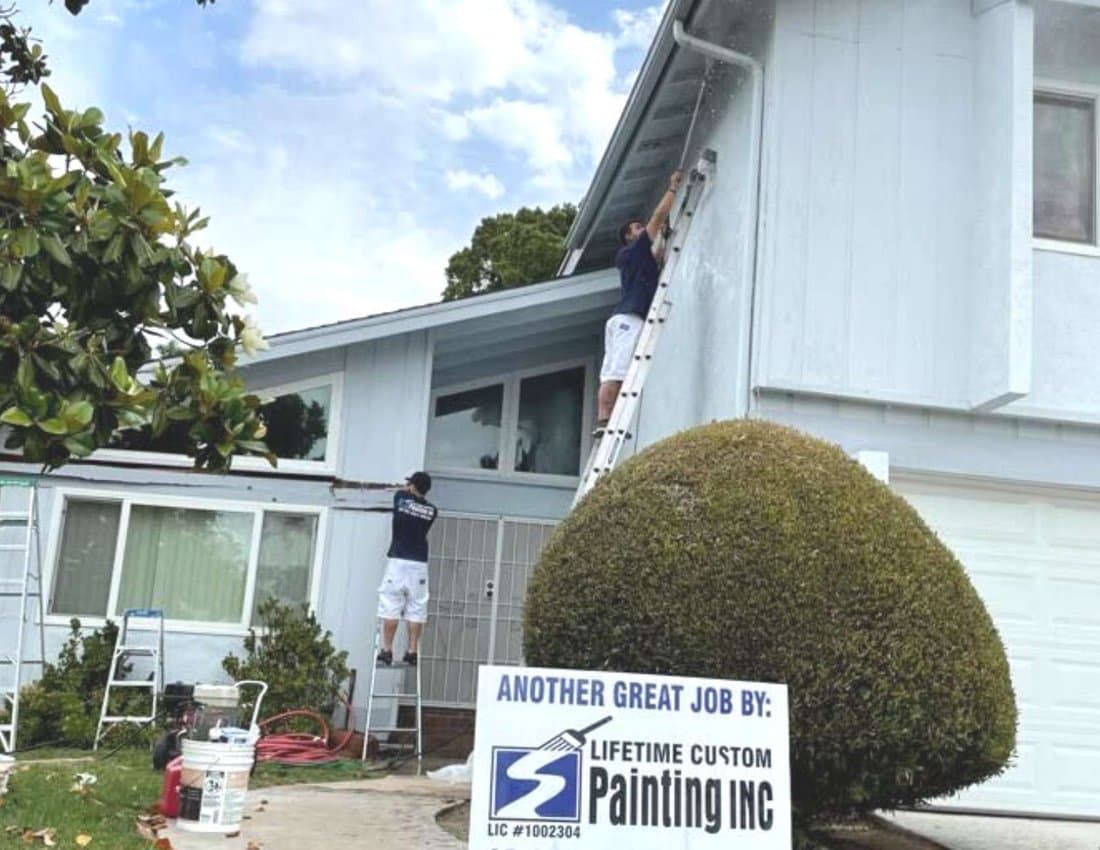
Are Stucco Cracks Normal? When to Worry and When to Paint
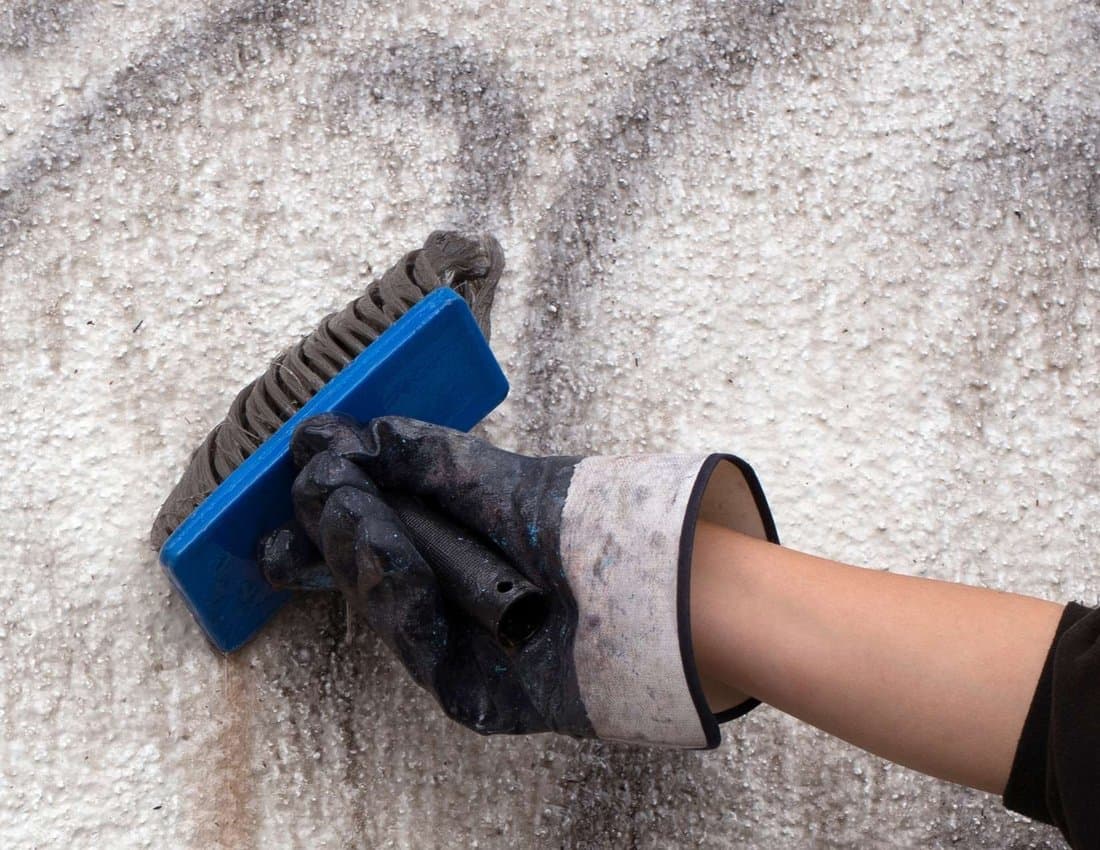
Spotting a thin line in your wall is unsettling, and the real question about stucco cracks is when to worry and when a crack is just part of living with stucco. Most hairline cracks are normal and cosmetic, but some patterns point to water getting in or the building moving, and those need a specialist before anyone paints. This guide explains why stucco cracks, how to read a crack's width and pattern, which signs mean it's time to call a stucco contractor or structural engineer, and what a painter can and can't fix. It's written from the painter's side of the job: at Lifetime Custom Painting we patch cosmetic cracks as paint prep on San Diego homes, and we also know when to stop and refer a crack to someone else.
Quick answer: Yes, stucco cracks are normal. Fine hairline cracks, especially at window and door corners, are expected in cement plaster and can be patched and painted. Worry when a crack is wider than about 1/16 inch, runs diagonally or in a stair-step, keeps growing, comes with staining, bulging or hollow-sounding stucco, or appears alongside sticking doors or interior cracks; those need a stucco contractor or structural engineer to assess before painting.
Key Takeaways
- Stucco is a cement product, and industry bodies say occasional cracking is expected even with a good installation.
- Hairline cracks thinner than a credit card (about 1/32 inch) are usually cosmetic.
- Width, direction, growth and water signs matter more than the number of cracks.
- Wide, diagonal, stair-step or growing cracks need a stucco contractor or engineer first.
- Painters handle cosmetic patching as prep; structural and water repairs belong to other trades.

Is It Normal for Stucco to Crack?
Yes. Traditional stucco is Portland cement plaster, and like concrete it is strong but brittle, so some cracking is expected over the life of almost every stucco wall.
That isn't just painters reassuring homeowners. A Sika technical bulletin on cracks in cement plaster quotes the Northwest Wall and Ceiling Bureau saying stucco "is susceptible to the occasional crack no matter how good the installation." The same bulletin quotes the Stucco Manufacturers Association: minor cracking at the corners of doors and windows and other stress points "is reasonable and should be anticipated." Sika adds that cracks of this kind are not a sign of substandard plasterwork. Stucco maker Sto Corp. makes the same point in its technical note on cracking in stucco: wood framing usually dries and settles in the first few years after a house is built, and stucco over a wood frame is backed by a weather-resistant membrane and a weep screed, so a small crack doesn't automatically mean water is getting into the wall.
So the presence of cracks isn't the warning sign. Their size, shape, behavior and what comes with them are.
Why Does Stucco Crack?
Stucco cracks because the wall behind and around it moves, and rigid plaster can't stretch. Most cracks trace back to one of a handful of causes:
- Thermal movement. Stucco expands in the afternoon sun and contracts overnight. Over years, that cycle concentrates stress at weak points.
- Shrinkage while curing. Fresh stucco loses water as it dries. Rapid drying on hot, windy days can leave fine "eggshell" checking in the finish coat.
- Framing movement. In wood-framed homes, studs and sheathing twist, shrink and settle as they dry, pulling on the plaster.
- Stress points. Corners of windows, doors, vents and garage openings are where stress collects, which is why cracks so often start there.
- Missing or poorly placed control joints. Long, uninterrupted walls without joints to absorb movement crack on their own schedule.
- Settlement and impact. Building settlement, vibration and impacts can also open cracks, and these are the ones to watch.
In San Diego the heat cycle does a lot of the work. Inland neighborhoods such as Santee, El Cajon and Poway see big swings between afternoon sun and cool nights, and the 1960s-to-1990s tract stucco there commonly shows hairline cracking around windows, corners and expansion joints. Coastal homes see less heat stress but more moisture, which makes sealing cracks before painting just as important.
Stucco Cracks: When to Worry
Worry when a crack is wide, directional, growing or wet. Those traits suggest movement or water intrusion, which paint can't solve.
Use this as a quick guide to what you're looking at:
| Crack type | What it looks like | Usually means | Next step |
|---|---|---|---|
| Hairline | Thinner than a credit card (about 1/32 in), often short | Normal shrinkage or thermal movement | Patch and seal as paint prep |
| Corner cracks | Short lines off window, door or vent corners | Expected stress points | Patch and seal; monitor |
| Map or spider cracking | Web of fine cracks across a panel | Finish-coat shrinkage or rapid drying | Usually cosmetic; fill and prime before paint |
| Wider cracks | Roughly 1/16 inch or more, you can fit a coin edge in | More movement than a coating can handle | Have a stucco contractor assess and repair |
| Diagonal or stair-step | Runs at an angle or in steps, often from openings | Possible settlement or structural movement | Structural engineer or stucco contractor before painting |
| Bulging, hollow or crumbling | Wall sounds hollow when tapped, bows out, or flakes | Delamination or trapped water | Stucco contractor; find the water source |
Warning signs that mean stop and call a specialist
- A crack that keeps getting longer or wider over weeks or months.
- Cracks that come back wider or longer after being patched and painted (fine hairlines that simply reopen are usually thermal movement).
- Brown or rust-colored staining, efflorescence (white salt deposits) or damp patches near a crack.
- Stucco that bulges, sounds hollow, or crumbles when pressed.
- Matching cracks inside the house, doors or windows that suddenly stick, or floors that slope.
- Long horizontal cracks, or cracks along the base of the wall near the foundation.
Any of these suggest movement or water behind the surface. A coat of paint, even a thick elastomeric one, will hide the symptom for a season and can trap moisture in the wall.
How to Tell if a Stucco Crack Is Getting Worse
The simplest way is to measure and mark it. A few minutes now gives a stucco contractor or engineer far better information later.
- Measure the width. Slide a credit card (about 1/32 inch thick) toward the crack. If it can't enter, the crack is hairline. If a coin edge fits, it's well past hairline.
- Mark the ends. Draw a small pencil line across each end of the crack and write the date beside it.
- Photograph it with a ruler. Take a close-up with a tape measure in the frame so you can compare widths later.
- Check again after a few months. Look especially after a heat wave or heavy rain. A crack that has passed your pencil marks or widened is active.
A stable hairline crack is a paint-prep item. An active one is a question for a CSLB-licensed C-35 lathing and plastering contractor, the classification that covers applying plaster coatings and installing the lath behind them, or for a structural engineer if you suspect the building is moving.
Can You Paint Over Stucco Cracks?
You can paint over cosmetic hairline cracks once they're properly patched; you shouldn't paint over anything wider, active or wet. Paint is a finish, not a repair.
Here's how cosmetic crack prep typically works on a repaint:
- Clean the wall so filler and paint bond to sound stucco, not dust or chalk.
- Open and fill hairline cracks with a flexible, paintable patching compound or elastomeric caulk, then texture-match so the repair doesn't show.
- Prime patched areas so they don't flash (look dull or blotchy) through the topcoat.
- Coat with the right system. A quality acrylic suits most walls, and an elastomeric may make sense where fine cracks keep coming back.
Manufacturers draw the lines clearly. Benjamin Moore's elastomeric masonry coating data sheet says the coating bridges cracks only up to 1/32 inch; cracks from 1/32 to 1/16 inch need caulk and a patch first, and anything wider should be routed out and repaired before coating. If you're weighing that option, our guide to what elastomeric paint is and when it makes sense covers it in depth, and our comparison of the best paint for stucco exteriors explains which product suits which wall.
What Does a Painter Fix, and What Needs Another Trade?
A painter handles cosmetic crack patching as part of preparing the surface. Repairs to the stucco system, the framing behind it or the foundation belong to other licensed trades.
Lifetime Custom Painting, a licensed San Diego painting contractor (CSLB #1002304), holds a C-33 painting and decorating license. On an exterior painting project we clean, patch and seal hairline cracks, prime repairs and apply the finish system. If we find wide or active cracks, bulging or hollow stucco, or signs of water getting in, we stop and recommend the right specialist:
- Stucco contractor (C-35): delaminated or crumbling stucco, failed lath, re-stuccoing sections.
- Structural engineer: diagonal or stair-step cracking, cracks with sticking doors or sloping floors, suspected foundation movement.
- Roofer or window installer: staining or damage traced to roof-to-wall joints, gutters, sills or window flashing.
Once that work is done and the stucco has cured, painting is what makes the repair disappear. For other signs your exterior is due, see our list of signs it's time to repaint your house exterior.
Frequently Asked Questions
Are hairline cracks in stucco normal?
Yes. Hairline cracks are a normal result of stucco curing and expanding and contracting with temperature. If they're stable and dry, they can be patched and sealed as part of a repaint.
How big of a stucco crack is a concern?
As a rule of thumb, cracks wider than about 1/16 inch deserve a professional look, along with any crack that is diagonal, stair-stepped, growing or stained. Thinner, stable cracks are usually cosmetic.
Do stucco cracks mean foundation problems?
Usually not. Most cracks come from shrinkage and temperature movement, but diagonal or stair-step cracks combined with sticking doors, sloping floors or interior cracks can point to settlement and should be checked by a structural engineer.
Should I seal stucco cracks before painting?
Yes. Hairline cracks should be cleaned, filled with a flexible patching product, primed and then painted, otherwise they telegraph through the new finish within a season or two.
Can I fix stucco cracks myself?
Stable hairline cracks can be cleaned, filled with a paintable elastomeric caulk or patch and touched up, which is a reasonable DIY job. Cracks wider than about 1/16 inch, or ones that are growing, stair-stepped or wet, should be assessed by a licensed lathing and plastering contractor or a structural engineer before anyone patches or paints them.
Have Cracks You're Unsure About?
Start by measuring and marking any cracks that worry you, and take a few dated photos. If they look cosmetic, we can fold the patching into a repaint and tell you honestly if anything needs a stucco contractor or engineer first. Request a free estimate from Lifetime Custom Painting or call (619) 591-9936 to set up a walk-around.
Thinking about a project in San Diego?
Luis Rodriguez and the team give free, fixed written estimates — no pressure, no obligation.
- Licensed & insured
- 4.9★ · 291+ reviews
- 10% military discount